
By Marcus Taylor March 27, 2026
Getting paid on time is one of the biggest challenges contractors face, regardless of experience or company size. Many Tennessee contractors complete high-quality work but still experience payment delays because their invoicing process, deposit structure, or payment collection system is not clearly defined. When payment processes are inconsistent, cash flow becomes unpredictable, and business growth becomes harder to manage.
Contractors depend on steady cash flow to purchase materials, pay employees, maintain equipment, and accept new projects. When payments arrive late, every part of the business feels the impact. This is why professional contractors treat payment systems as seriously as project management.
Today, contractors are moving toward faster and more reliable payment methods. Digital invoicing, mobile payment acceptance, structured deposits, and milestone billing have become standard practices among financially stable contracting companies. These systems remove confusion, improve customer communication, and dramatically reduce payment delays.
Contractors who modernize how they invoice and collect payments often discover they spend less time chasing money and more time focusing on profitable work. By improving invoicing practices, collecting deposits correctly, and accepting payments directly from the field, Tennessee contractors can improve their financial stability and operate more efficiently.
This guide explains how contractors can create professional invoices, structure deposits properly, reduce payment delays, and build payment systems that support long-term business success.
Table of Contents
Why Payment Speed Matters for Tennessee Contractors
Payment speed affects every part of a contracting business. When contractors receive payments quickly, they can operate with confidence and plan future work without financial uncertainty. Slow payments, however, create pressure that affects scheduling, purchasing, and payroll.
Many contractors assume slow payments are normal in construction. In reality, most delays happen because payment expectations were not clearly defined at the beginning of the project.
Professional contractors prevent these issues by building structured payment systems that define exactly when payments must be made and how they should be collected.
Common Problems Caused by Slow Contractor Payments
- Difficulty purchasing materials on time
- Delays in paying subcontractors
- Limited ability to accept new projects
- Increased reliance on credit
- Administrative time spent on collections
- Strained customer relationships
- Cash flow uncertainty
- Reduced profitability
Contractors who improve payment speed often see improvements across their entire operation. Faster payments reduce stress and allow business owners to focus on growth instead of collections.
How Professional Invoicing Improves Payment Collection

Professional invoices play a major role in payment speed. A clear invoice removes confusion and gives customers the information they need to pay quickly. When invoices are unclear or incomplete, customers often delay payments while they request clarification.
Strong invoices function as both payment requests and documentation. They reinforce professionalism and reduce disputes.
Professional contractor invoices should always present information in a clear and organized format. Every charge should be easy to understand so customers feel confident making payments.
Information Every Contractor Invoice Should Include
- Business name and contact information
- Customer name and project location
- Clear description of work completed
- Itemized materials and labor
- Total project cost
- Deposit amount collected
- Remaining balance due
- Payment due date
- Accepted payment methods
- Invoice identification number
- Project completion date
Sending invoices immediately after completing work is one of the simplest ways contractors can improve payment speed. Fast invoicing keeps the project fresh in the customer’s mind and reduces excuses for delay.
Consistency also matters. Contractors who use standardized invoice formats create smoother administrative processes and fewer billing errors.
How Contractors Should Structure Deposits to Protect Cash Flow
Deposits are essential for protecting contractor finances. Without deposits, contractors risk purchasing materials and scheduling labor without financial commitment from customers.
Deposits also establish seriousness. Customers who provide deposits are more likely to follow through with projects and final payments.
Professional contractors clearly define deposit policies in written agreements. This prevents misunderstandings and ensures customers understand payment expectations before work begins.
Best Practices Contractors Use When Collecting Deposits
- Require deposits before scheduling work
- Explain how deposits support material purchasing
- Document deposit terms in contracts
- Provide receipts immediately
- Connect deposits to project start dates
- Avoid beginning large projects without financial commitment.
Contractors who consistently require deposits often experience fewer cancellations and stronger project commitment from customers.
Common Payment Mistakes Contractors Should Avoid
Many contractors unintentionally create payment problems by using outdated billing practices. Traditional habits like handwritten invoices, verbal agreements, or check-only payments often slow collections.
Modern customers expect convenience and clarity. Contractors who fail to adapt may experience unnecessary payment delays.
Payment Mistakes That Frequently Delay Contractor Payments
- Starting work without signed agreements
- Accepting unclear payment timelines
- Waiting too long to send invoices
- Accepting only paper checks
- Not collecting deposits
- Not offering digital payment options
- Using inconsistent billing methods
- Ignoring overdue balances
Correcting these operational issues often improves payment timelines without requiring new customers.
Efficiency improvements often produce faster results than increasing sales volume.
Why Mobile Payment Acceptance Helps Contractors Get Paid Faster

Mobile payment tools allow contractors to collect payments immediately after completing work. Instead of waiting days or weeks for checks, contractors can finalize payments while still on the job site.
Immediate collection dramatically reduces the need for follow-up calls and reminders.
Customers also appreciate the convenience of paying immediately instead of managing invoices later.
Benefits of Accepting Payments in the Field
- Immediate payment collection
- Reduced administrative follow-up
- Improved customer convenience
- Faster cash flow cycles
- Fewer unpaid invoices
- Stronger professional image
Contractors who accept multiple payment methods eliminate many of the obstacles that cause payment delays.
Payment Methods Contractors Can Accept on Job Sites
- Credit cards
- Debit cards
- ACH bank transfers
- Tap to pay transactions
- Mobile wallet payments
- Digital payment links
- Electronic invoices
Payment convenience plays a major role in payment behavior. When payment is simple, customers are more likely to complete it quickly.
How Digital Invoicing Improves Contractor Efficiency
Digital invoicing systems allow contractors to improve organization while reducing paperwork. These systems make it possible to send invoices instantly, monitor payment status, and automate payment reminders.
Digital records also help contractors maintain accurate financial documentation.
Operational Benefits of Digital Contractor Invoicing
- Instant invoice delivery
- Real-time payment tracking
- Automated reminder notifications
- Secure record storage
- Reduced paperwork
- Improved accounting accuracy
- Better financial visibility
Customers also trust professionally presented digital invoices more than informal billing methods. Professional presentation increases confidence and improves payment cooperation.
How Progress Payments Reduce Financial Risk on Large Projects
Large construction projects create financial exposure when contractors wait until completion for full payment. Progress payments reduce this risk by spreading payments across project milestones.
This approach improves financial stability and ensures contractors are compensated throughout the project lifecycle.
Common Progress Payment Structures Contractors Use
- Initial deposit before project start
- Payment after materials arrive
- Payment after major work phases
- Final payment after completion
Progress billing also improves accountability because customers can see the connection between progress and payments.
How Contractors Can Reduce Late Payments
Late payments often result from unclear expectations. Contractors who define payment policies early usually experience fewer delays.
Consistency is critical. Contractors who enforce payment terms consistently rarely face chronic payment problems.
Proven Methods Contractors Use to Reduce Late Payments
- Written agreements
- Clear payment schedules
- Immediate invoicing
- Required deposits
- Multiple payment methods
- Automated payment reminders
- Work pauses for overdue balances
Contractors who normalize structured payment discussions avoid awkward financial conversations later.
How Clear Contracts Improve Payment Outcomes
Contracts remove uncertainty. They clearly define what work will be completed, how much it will cost, and when payments must be made.
Strong agreements also protect contractors from scope changes that affect pricing.
Payment Terms Contractors Should Always Define in Contracts
- Payment schedules
- Deposit amounts
- Due dates
- Late payment terms
- Change order pricing
- Final payment requirements
- Accepted payment methods
Customers usually respect contractors who operate with structured agreements because they demonstrate professionalism.
How Faster Payments Support Contractor Business Growth
Fast payments improve more than just finances. They support operational stability and allow contractors to make better business decisions.
Business Advantages of Faster Contractor Payments
- Ability to accept more projects
- Faster purchasing of materials
- Reliable payroll operations
- Reduced dependence on loans
- Improved vendor relationships
- Better financial planning
Cash flow reliability often determines whether contractors remain small or expand successfully.
Financial confidence supports business confidence.
Technology Tools Contractors Use to Improve Payment Systems
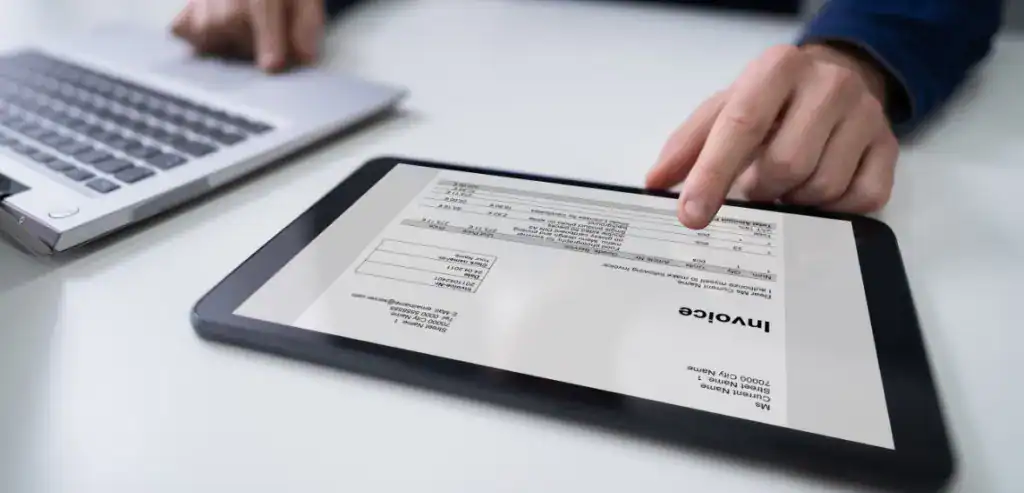
Modern contractors increasingly rely on technology to improve efficiency. Payment processing tools now integrate with job management and accounting systems.
Payment Technology Used by Professional Contractors
- Mobile invoicing platforms
- Contractor payment processing systems
- Customer management software
- Project tracking tools
- Accounting integrations
- Expense tracking systems
These tools reduce manual work and allow contractors to focus more on revenue-producing activities.
Automation improves both accuracy and speed.
How Payment Transparency Builds Stronger Customer Relationships
Customers pay faster when they clearly understand costs. Transparency removes hesitation and improves trust.
Professional contractors emphasize clear communication throughout the project.
Ways Contractors Improve Payment Transparency
- Detailed written estimates
- Itemized invoices
- Change order approvals
- Project progress communication
- Payment confirmations
- Completion documentation
Trust improves payment cooperation. Transparency builds trust.
How Contractors Can Improve Payment Collection in the Field
Successful payment collection often depends on preparation. Contractors who prepare customers for payment expectations rarely experience resistance.
Preparation allows payment discussions to feel routine instead of uncomfortable.
Preparation Steps That Improve Field Payment Collection
- Sending estimates before arrival
- Confirming deposits in advance
- Bringing mobile payment tools
- Preparing invoice templates
- Confirming decision-maker availability
- Reviewing payment timelines
Preparation transforms payment collection from a negotiation into a standard process.
Conclusion
Contractors who consistently get paid faster usually have one thing in common. They rely on systems instead of assumptions.
Professional invoicing, structured deposits, mobile payment tools, clear contracts, and digital billing processes allow contractors to control their financial timelines. These systems reduce delays, improve cash flow, and strengthen business stability.
The construction industry continues moving toward efficiency and professionalism. Contractors who modernize payment processes position themselves for stronger growth and better customer relationships.
Payment systems are not just accounting processes. They are growth systems that support long-term success.
Contractors who improve payment processes strengthen the foundation of their business.
FAQs
What is the fastest way for contractors to get paid?
The fastest way contractors get paid is by sending invoices immediately after completing work and accepting digital payment methods like credit cards and bank transfers. Faster payment options reduce delays and improve cash flow.
Should contractors always collect deposits?
Most professional contractors collect deposits because deposits reduce financial risk and confirm project commitment. Deposits also help cover material costs and early project preparation.
What payment methods should contractors accept?
Contractors should accept credit cards, debit cards, and ACH transfers because flexible payment options make it easier for customers to pay quickly.
How can contractors reduce payment delays?
Contractors reduce delays by using written agreements, defining payment schedules, sending invoices quickly, and offering convenient payment options.
Why do contractors use progress payments?
Contractors use progress payments to reduce financial exposure and ensure they are paid throughout the project instead of waiting until completion.